
LA County Recovers logo.
    • Eaton fire
    • Palisades fire
    • All disasters
    • Rebuilding 101
    • Road to rebuilding
    • Resilient rebuilding
    • One-stop permit centers
    • Permitting dashboard
    • Workshops
    • Policies, interpretations and exemptions
    • Self-certification
    • eCheck
    • Frequently asked questions
    • LA County departments
    • Health and safety
    • Pets and animals
    • Replace documents
    • Altadena residents
    • Disaster recovery financing districts
    • All help topics
    • Newsroom
    • Videos
    • Announcements
    • Sign up for updates
  • Home
  • Rebuilding
  • Resilient Rebuild Resource Guide
  • Building a Healthy Home

Healthy and Comfortable

Whether it’s choosing the layout or siting, materials, HVAC equipment, or appliances, each element plays an important role in ensuring a structure is healthy and comfortable.
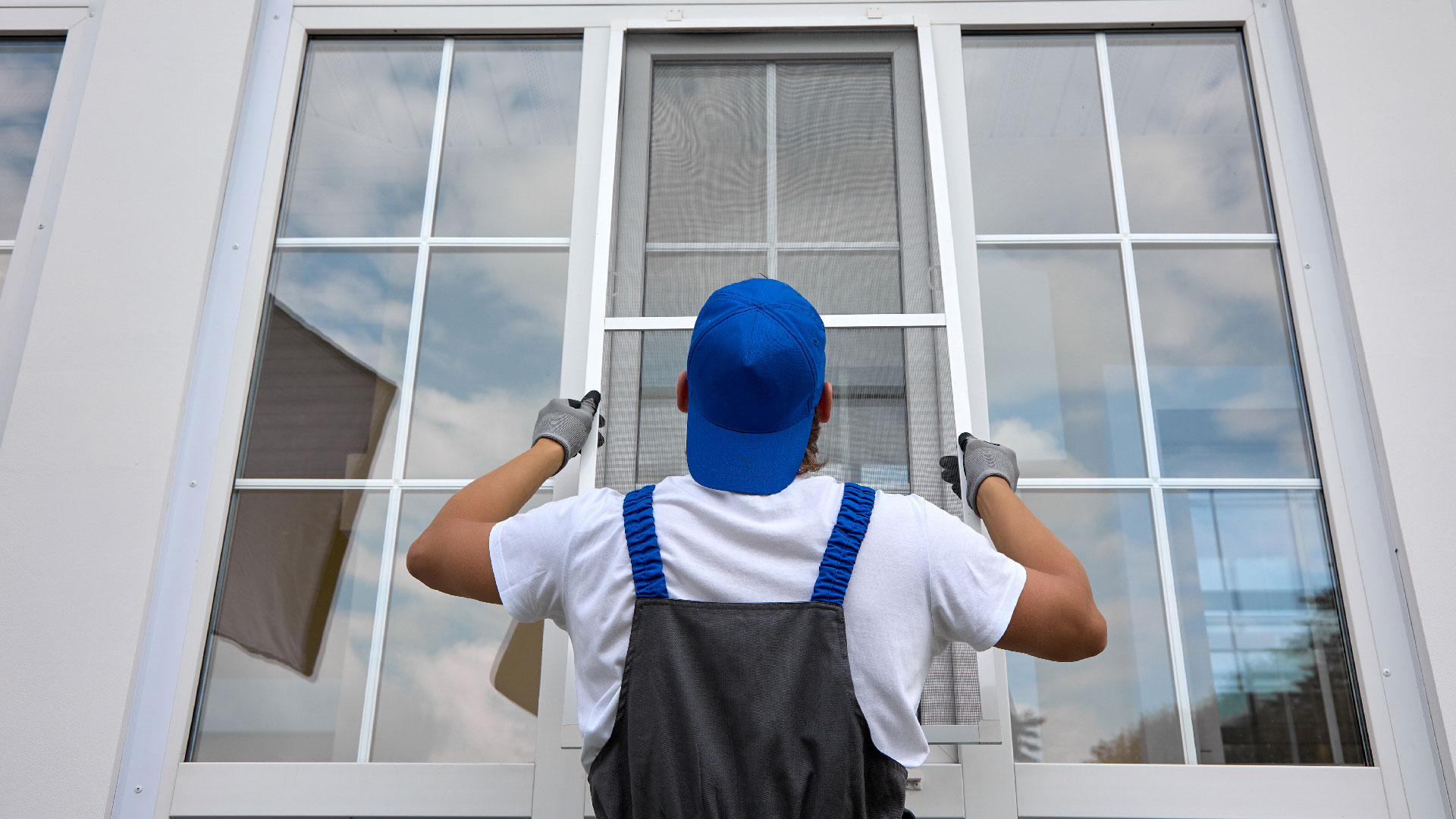
A man in a backwards blue hat installs a window pane on a home.

Healthy and High-Performance Buildings

Did you know the design and construction of a building can affect its overall health and comfort? The key components to a healthy and comfortable building are: airtight, well-insulated structures with limited thermal bridges, access and control of natural light and air, high-performance windows, heat recovery ventilation, electric heat pump heating and cooling, and materials choice. Each of these contributes to the overall performance of a building. A high-performance building has many benefits including:

  • Healthier indoor air quality; no natural gas combustion by-products to breathe
  • A more comfortable and quieter home
  • Increased resistance to future wildfires and smoke damage
  • Fewer maintenance costs and concerns
  • Energy costs reduced by 10% or more
  • Reduced contribution to the climate crisis

Principles of a Healthy and High-Performance Building

Airtight, well-insulated buildings with limited bridges

Airtight and well-insulated buildings are quieter and maintain consistent indoor temperature more easily. Air leakage or air infiltration allows unheated or uncooled air, depending on the season, to enter your home through unwanted or unseen gaps and the air you’ve paid for to heat or cool to escape. Airtightness is the degree of air leakage or air infiltration a building has. Airtightness eliminates unpleasant drafts in your home. For information on natural monolithic wall construction, e.g. adobe, rammed earth, etc., see “Building Systems, Natural Materials and Green Innovation” below.

The basic principles of an airtight building are installing well-sealed windows and doors, minimizing penetrations in walls and ceilings, and sealing air movement at joints in framing. Replacing uncontrolled air infiltration with mechanical heat recovery ventilation allows for more fresh air in the building without losing or gaining as much heat as uncontrolled air infiltration.

Insulation provides resistance to heat flows, allowing a building to better maintain indoor temperatures. An insulation material’s effectiveness is determined and measured by its thermal resistance, also known as R-Value. Insulating a building to achieve high R-values can reduce the building’s heating and cooling load while also allowing it to be more comfortable. It also dampens the amount of sound from outside, making the building quieter. Buildings are typically only insulated once in their lifetimes, adding a high degree of insulation will pay dividends for years to come in increased comfort and lower energy costs. When considering insulation and costs, the shape and form factor of your building can have a big impact. The compactness of a building or the ratio of the external surface area and the internal volume of a building, has a considerable influence on overall energy use.

The change to the ratio of external surface area to internal volume requires additional insulation to maintain the same efficiency. In addition to increasing the insulation required, a building with a more complex form is likely to have a higher proportion of thermal bridges. Thermal bridging happens when a material (or lack thereof) within a wall’s structure that allows a faster than normal rate of heat transfer, like the 2×6 studs in a wall that sit between the insulation. In addition to the shape of a building, strategies like a layer of continuous insulation on the outside can reduce thermal bridging. Adding exterior insulation or radiant barriers to the roof helps stop heat from entering the building. A well-insulated building can greatly reduce, and possibly eliminate, the need for mechanical heating and cooling, further reducing building and operating costs. Source

Solar orientation and shading

Designing a building so that the rooms that are used most during the day face south means they will get light and heat from the sun, reducing the need for mechanical heating systems and electrical lighting, making them more pleasant and comfortable. During the summer, appropriate shading can reduce the amount of solar heat gain when the sun is highest in the sky. Designing your roof for southern exposure also maximizes the energy generation capacity of any future rooftop photovoltaic installation (i.e., rooftop solar). Orientation can also be advantageous to capture prevailing winds for cross-ventilation. Strategic orientation in conjunction with natural building assemblies can greatly reduce, and possibly eliminate, the need for mechanical heating and cooling, further reducing building and operating costs.

High-performance windows

Windows can make up a significant portion of your building construction budget but do many jobs: let in natural light and views, bring in fresh breezes, eliminate drafts and insulate. Choosing high-performance windows and the number and sizes of windows are fundamental parts of your energy design. Triple pane windows reduce heat loss or gain through the window and increase the surface temperature of the inner pane, which reduces the sensation of cold drafts, and provide fire resistance. If budgets can support investing on glazing, it is recommended to invest in tempered exterior panes, which aligns with wildland urban interface code requirements as it aids in preventing windows from breaking during fires from external direct flame contact, radiant heat, or embers ignitions, in turn protecting the interior of the structure.

Heat/Energy recovery ventilation

Most conventional buildings have no mechanical ventilation besides a bathroom fan or kitchen hood, which are only run intermittently. Without regular outdoor air ventilation, the concentration of pollutants inside the building can easily rise above EPA air quality standards, particularly when using natural gas appliances. Heat recovery ventilation or energy recovery ventilation provides fresh filtered air by passing outgoing and incoming air through a heat exchanger which brings the fresh incoming air closer to the temperature of the outgoing air. This efficient and controlled means of providing fresh air to a building allows you to increase the amount of fresh air coming in or shut it off entirely if there is smoke or a bad air quality day. You can’t do either of those things with uncontrolled air infiltration. Lastly, air filters (e.g., MERV 13, HEPA) are especially important if homes are near major thoroughfares or in a region prone to wildfire smoke and/or poor air quality.

Windows can make up a significant portion of your building construction budget but do many jobs: let in natural light and views, bring in fresh breezes, eliminate drafts and insulate. Choosing high-performance windows and the number and sizes of windows are fundamental parts of your energy design. Triple pane windows reduce heat loss or gain through the window and increase the surface temperature of the inner pane, which reduces the sensation of cold drafts, and provide fire resistance. If budgets can support investing on glazing, it is recommended to invest in tempered exterior panes, which aligns with wildland urban interface code requirements as it aids in preventing windows from breaking during fires from external direct flame contact, radiant heat, or embers ignitions, in turn protecting the interior of the structure.

Electric heating, cooling & cooking

Natural gas (methane gas) appliances leak methane into a building (Sources 1, 2). Burning gas creates harmful pollutants like formaldehyde, nitrogen dioxide, acetaldehyde, and ultrafine particles in, and according to several studies, leads to a higher risk of asthma vs. an all-electric building. Burning gas for heating also creates risks from carbon monoxide poisoning and gas explosions. All-electric buildings with induction/electric ranges and efficient electric heat pump heating and cooling systems, and electric heat pump water heaters offer improved indoor air quality and eliminate carbon monoxide and other health safety risks. A well-designed heat pump system can also lead to better distribution of heating and cooling and improved overall comfort. Similarly, cooking on an induction range is faster, more precise and more efficient than on traditional gas or electric ranges.

Materials choice

Many construction materials, wall/floor coatings, and furnishings contain volatile organic compounds (VOCs). VOCs include a variety of chemicals, some of which may have short- and long-term adverse health effects. Concentrations of many VOCs are consistently higher indoors (up to ten times higher) than outdoors. VOCs are emitted by a wide array of products, numbering in the thousands. Choosing construction materials and furnishings that are low in VOCs and having a heat recovery ventilator to bring in fresh outdoor air can limit your exposure to VOCs. To further avoid poor air quality, it is recommended to avoid PVS (including paint), vinyl (including windows and simulated materials), foams, formaldehyde, fire retardants, and antimicrobial finishes. Choosing renewable natural or minimally processed materials wherever possible will improve the interior environment and also help mitigate risk of pollution for the exterior environment if there is another natural disaster. Lastly, consideration of a product’s lifecycle matters for our regional sustainability and climate action goals, such as reducing climate changing pollution as a result of manufacturing processes and transportation.

Building Systems, Natural Materials and Green Innovation

To learn more about options for air purification, heat pumps, efficient and all-electric appliances, natural building materials, and prefabricated building approaches see the US Green Building Council, California’s California Wildfire Rebuilding Guide, pages 52-59.

More resources

Healthy Building

Whether it’s choosing the layout or siting, materials, HVAC equipment, or appliances, each element plays an important role in ensuring a structure is healthy and comfortable.

Resilient rebuilidng

Make your building more resilient against future fires by considering how embers and small flames could ignite your building. Proactive action to build a resilient building or retrofit an existing building can help to reduce risk from wildfires or building to building fires.

Rebates, discounts and incentives

A round up of rebates, discounts and incentives for energy and water efficiency and fire resilience.

Finding your team

Architects, landscape architects and designers, arborists, builders, energy raters, contractors and subcontractors all play a critical role in the design and construction of a high-performance building.

Materials and equipment

The material and equipment choices you make during construction have a huge impact on the comfort, environmental footprint and energy efficiency of your building.

Landscaping and outdoor space

Outdoor spaces play a significant role in how resilient a structure is to future climate disasters, and how fire and water wise a property is.

Key Resources

Resources to help rebuild resiliently

LA County Recovers
Home 
Disaster help
Rebuilding
Stay informed
Disaster recovery financing districts
Contact us
Partners
LA County
Emergency Management
Public Works
Ready LA County
Public Health
Mental Health
Health Services
Newsroom
News Releases
Community Events
Featured Videos
Evacuation Updates
Email/Text Updates
Photography
Site information
Accessibility
Privacy Policy
Disclaimer
User Rights
  • Home
  • Disasters help
    • Eaton Fire
    • Palisades Fire
    • All disasters
  • Rebuild
    • Rebuilding
    • Road to rebuilding
    • Resilient rebuilding
    • Workshops
    • One-stop permit centers
    • Permitting progress dashboard
    • Frequently Asked Questions
  • Stay informed
    • Stay informed
    • News
    • Community events
    • Featured videos
    • Frequently asked questions
X